Services
An overview of the services offered by the clinic. For questions about a specific condition, contact us directly.
Our Three Leading Specialties
Laser Vision Correction (LASIK)
LASIK is a laser procedure that corrects refractive errors such as nearsightedness, farsightedness, and astigmatism.
Adults with a stable prescription and no contraindications, as determined by the doctor after examination.
The clinic offers multiple advanced laser vision correction techniques, including PRK, SMILE PRO, SILK, and FemtoLASIK, in addition to intraocular lens (IOL) implantation for certain cases. The most suitable technique for each patient is determined after a thorough, detailed examination of the cornea and vision measurements.
Cataract Surgery
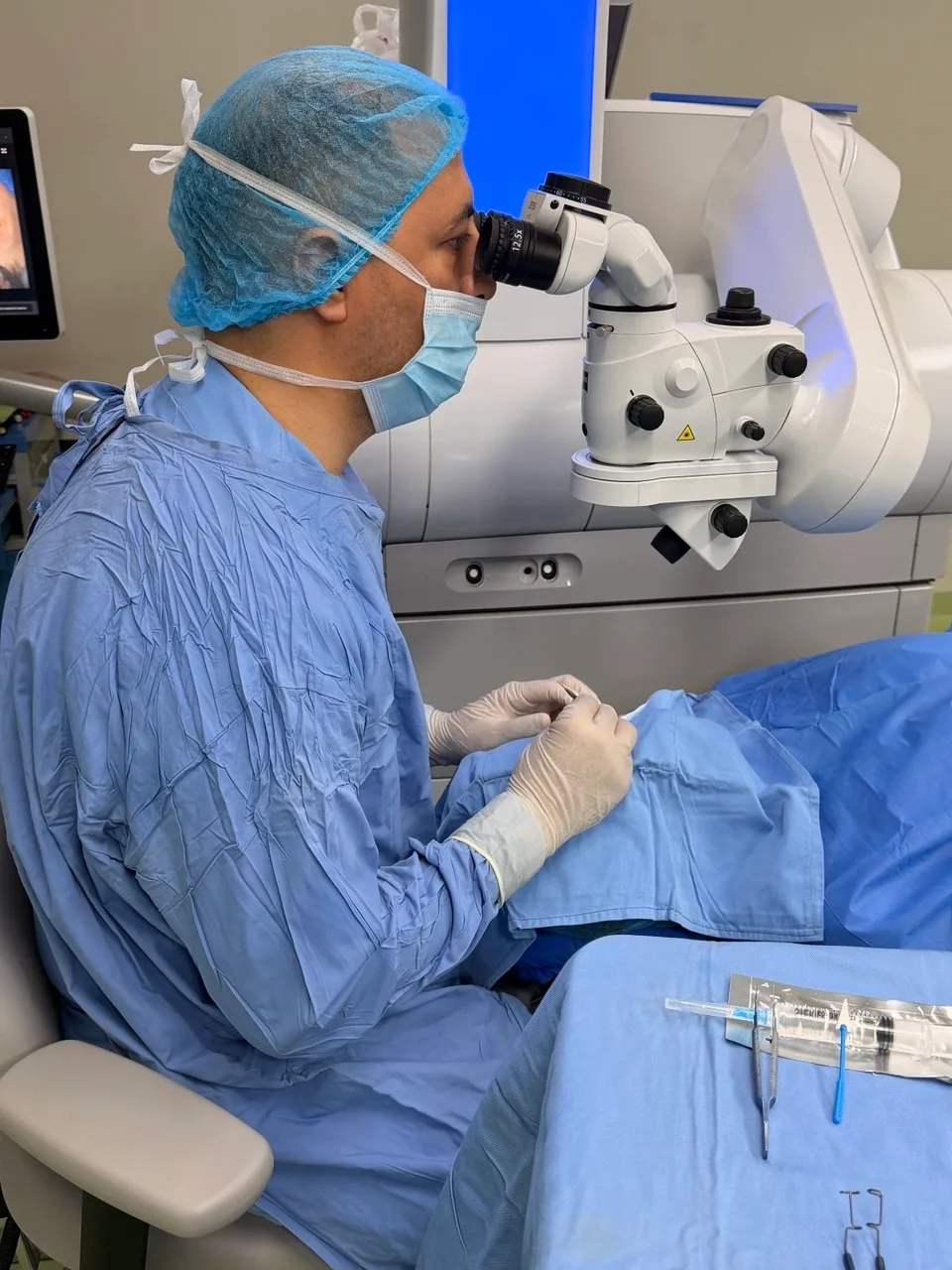
A cataract is a gradual clouding of the eye's natural lens that blocks vision, commonly associated with aging.
People noticing blurred vision, difficulty seeing at night, or increased sensitivity to light and glare.
Cataracts are treated surgically by replacing the clouded lens with a clear artificial one — a common ophthalmic procedure.
Squint (Strabismus) Surgery
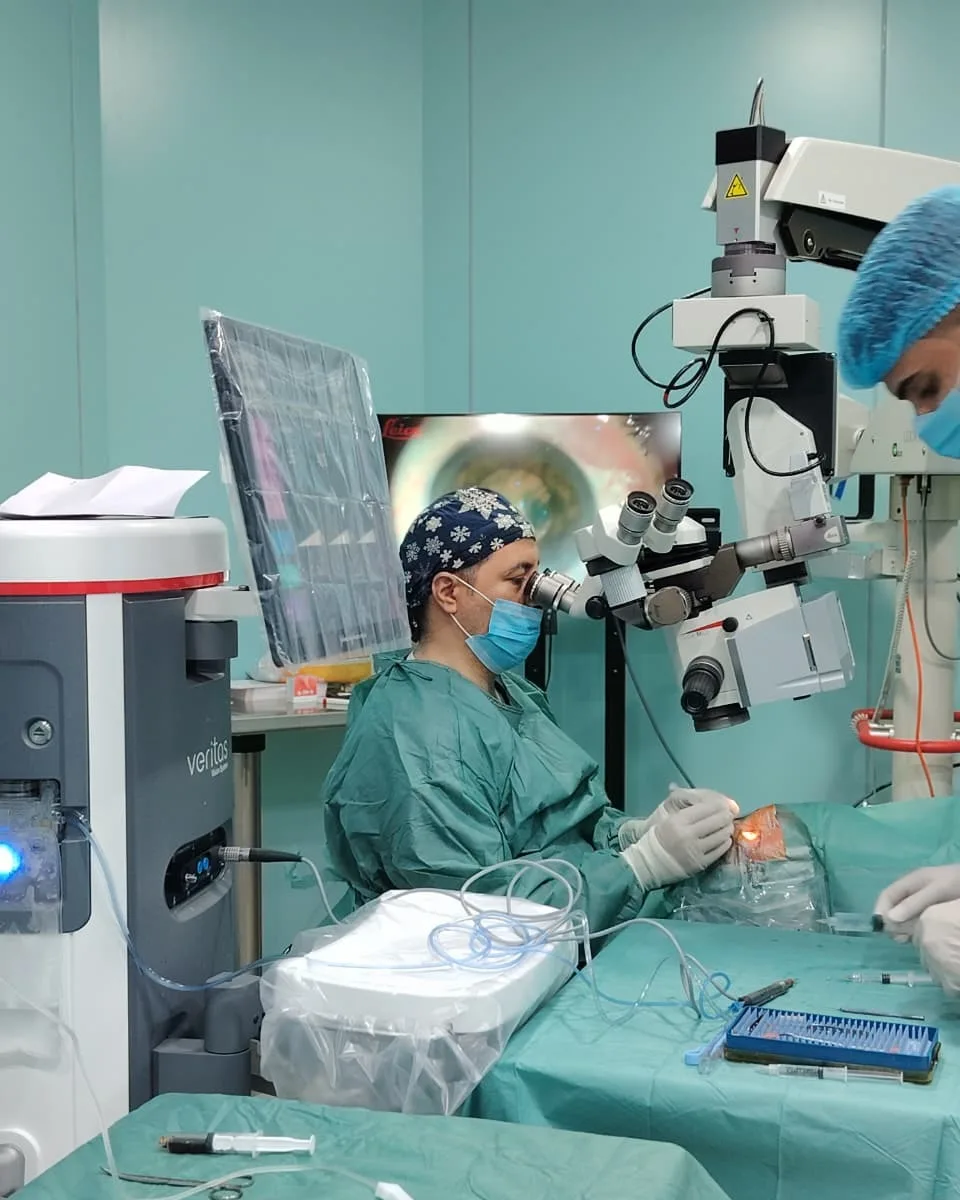
Squint (strabismus) is a misalignment of the eyes' visual axes, which can affect children or adults.
Early childhood eye exams are recommended to catch any signs of squint or lazy eye (amblyopia).
Treatment depends on the cause and age, and may include glasses, eye exercises, or surgery in some cases.
Also at the Clinic
Retina & Diabetic Eye Care
What is it?
This category covers conditions affecting the retina, including diabetic retinopathy, which can affect people with diabetes due to changes in the retina's small blood vessels.
Who is it for?
People with diabetes are advised to have regular retinal exams for early detection of changes.
How is it treated?
Treatment depends on severity and may include regular monitoring, laser treatment, or intraocular injections.
General Eye Exam
What is it?
A comprehensive eye exam evaluates visual acuity and overall eye health, catching problems that may not yet show clear symptoms.
Who is it for?
Regular exams are recommended for all ages, especially when any change in vision appears.
How is it treated?
The exam typically includes a visual acuity test and an examination of the front and back of the eye.
Dry Eye Treatment
What is it?
Dry eye is a common condition caused by insufficient or imbalanced tears, which can cause burning or discomfort.
Who is it for?
It can affect people with extended screen time or certain conditions identified by the doctor.
How is it treated?
Treatment typically includes lubricating drops, with additional options the doctor may recommend depending on the case.
Glaucoma Care
What is it?
Glaucoma is a group of conditions affecting the optic nerve, often linked to elevated eye pressure, which can gradually narrow the visual field if untreated.
Who is it for?
Those with a family history of glaucoma or other risk factors identified by the doctor; regular screening is recommended.
How is it treated?
Treatment depends on the case and may include eye-pressure-lowering drops, laser treatment, or surgery.